Field note
Wood burning or multi-fuel: decide from the fuel, not the badge
A practical comparison of wood-burning and multi-fuel stoves, including permitted fuels, firebed design, smoke-control rules and everyday ownership.
10 July 2026 · updated 22 August 2026
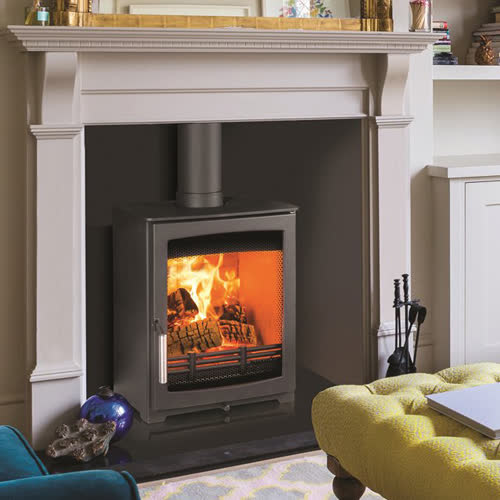
Wood-burning and multi-fuel stoves can look almost identical, but the way they support the fuel is different. That difference should guide the decision.
A dedicated wood burner is intended for the logs stated in its instructions. A multi-fuel model has a firebed arranged to admit air to manufactured solid fuel as well as any wood use the manufacturer permits. Multi-fuel does not mean that every combustible material is acceptable.
Begin with the fuel you can source and store
For logs, the current government advice is clear: burn wood with a moisture content of 20 percent or less. Small retail loads should carry Ready to Burn certification. Larger loads and self-sourced timber need suitable drying, storage and checking before they reach the stove.
Dry storage takes space. Logs also involve carrying, reloading, ash and regular chimney sweeping. If that routine is part of what you want from the fire, a dedicated wood burner is a natural starting point.
A multi-fuel stove may also accept specified manufactured solid fuels. That flexibility can be useful, but the appliance manual remains the authority. Traditional house coal, treated timber, pallets, chipboard and household waste are not alternatives.
The firebed is more important than the label
Wood is normally burned on the bed intended by the appliance designer, often with retained ash playing a part in normal operation. Manufactured solid fuels may need air delivered through a grate and a way to remove ash beneath it.
That is why the multi-fuel version of a stove can contain a grate, riddling mechanism and ashpan that the wood-only version does not. These parts affect cleaning and the available firebox space. Inspect both versions rather than assuming the more flexible one is automatically better.
Check the exact model in a smoke control area
Smoke-control status is not granted to an entire category of stove. If an address is inside a smoke control area and you want to burn wood, the exact appliance must be exempted for that purpose and operated under its conditions.
Ecodesign compliance and smoke-control exemption are different checks. The government map is indicative, so confirm the property with the relevant local authority and check the chosen model using current official information. Our smoke-control guide explains the process in more detail.
Compare the ownership, not only the flame picture
Ask yourself four practical questions:
- Which permitted fuel will I genuinely buy and store?
- Am I prepared for the cleaning and maintenance that fuel requires?
- Does the model have a useful output range for the room?
- Is the appliance compatible with the hearth, air supply and chimney system?
The last two questions need the property in view. A stove can be attractive and efficient on paper but still be wrong for the room, opening or flue.
When a wood-only stove makes sense
Choose a dedicated wood burner when logs are the only intended fuel and you want a firebox designed around that use. It avoids paying for a fuel capability you do not plan to use and can make day-to-day controls and ash handling more straightforward.
Choose multi-fuel when the exact model permits a manufactured fuel you have a clear reason to use, and you accept the additional firebed and cleaning arrangement. Do not select it simply because the word sounds more capable.
Make the final choice with the room in front of you
At the TFS showroom in Lichfield, you can compare the proportions, doors and controls of the current range. The home survey then checks heat demand, the chimney or new flue route, hearth and surrounding materials before the installation is specified.
That sequence gives the fuel decision a real context. It also avoids the common mistake of buying a stove first and asking the room to accommodate it afterwards.
Common questions
Can a multi-fuel stove burn ordinary coal?
Only use fuels listed by the appliance manufacturer and permitted by current law and any smoke-control rules. Traditional house coal is not a lawful domestic retail option in England.
Is a wood burner easier to use?
It can be simpler when logs are your only fuel because there is no unused multi-fuel grate or riddling mechanism. Ease of control varies by model, so try the controls before choosing.
Does multi-fuel mean I can switch fuel at any time?
You still need to follow the appliance instructions, set up the firebed correctly and use only permitted fuels. Local smoke-control rules may also limit what can be burned at the address.
Which type is cheaper?
Appliance and fuel prices change, and installation scope can outweigh the difference between two stove versions. Compare the complete quotation and the local cost of the fuel you will actually use.
Discuss the room before choosing the product
Visit the Lichfield showroom for an initial conversation, or ask the team to survey the property and set out the practical options for the whole installation.
Ask about a home surveyMore field notes
Read next
How long does a wood burner installation really take?
Why fitting time depends on the surveyed chimney, flue route, fireplace work, access and appliance availability, plus the stages to plan before installation day.
Read the noteCan a wood burner reduce central-heating use without reducing comfort?
A fair way to compare a room stove with central heating using current fuel prices, useful heat, the rooms occupied and the full cost of ownership.
Read the note