Field note
Can a wood burner reduce central-heating use without reducing comfort?
A fair way to compare a room stove with central heating using current fuel prices, useful heat, the rooms occupied and the full cost of ownership.
12 July 2026 · updated 22 August 2026
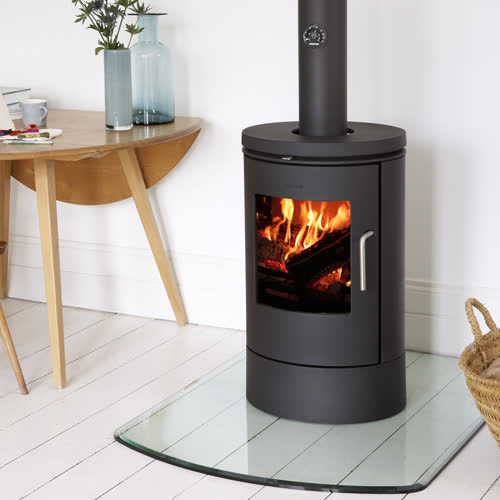
A wood burner is not automatically cheaper than central heating. The result depends on current fuel prices, how efficiently each system delivers useful heat, which rooms are being heated and the purchase and maintenance costs included in the comparison.
The fairest question is usually narrower: can a stove comfortably heat the occupied room at times when you would otherwise run the central heating for more of the house?
Compare the same outcome
A room stove and a central-heating system do different jobs. The stove principally heats the space around it. A boiler or heat pump can serve several rooms and may also provide hot water.
If the whole household is using bedrooms, bathrooms and a home office, comparing one warm living room with whole-house comfort is misleading. If everyone spends the evening in one room and the rest of the house can safely remain cooler, local heat may reduce demand elsewhere.
Before calculating money, define the hours, rooms and comfort level being compared.
Use current prices and useful heat
Do not compare the price of a bag of logs with a gas or electricity tariff alone. Record:
- the amount and moisture condition of the wood;
- the energy information available from the supplier;
- the stove efficiency data for the actual model;
- the standing and unit charges on the current heating tariff;
- the efficiency and condition of the central-heating system;
- the hours each option would run.
Fuel and tariff prices move, so a fixed saving published today can become wrong quickly. Your own invoices and a consistent period of use are better evidence than an industry headline.
Dry wood is essential, not a money-saving trick
Government guidance says wood used at home should have a moisture content of 20 percent or less. Wet logs spend more energy driving off water, produce more smoke and increase deposits in the appliance and chimney.
Small-volume retail wood should display Ready to Burn certification. Larger deliveries and self-sourced timber need correct storage, drying and checking. Never include free waste wood in a cost plan unless it is untreated, legal to burn, properly dried and permitted by the stove manufacturer.
Include ownership and maintenance
The cost of stove heat includes more than logs. Allow for the appliance and installation, chimney sweeping, servicing, replacement consumable parts and suitable fuel storage. A chimney or flue system may also need future maintenance.
Central heating has its own capital and service costs, but those may already exist whether or not a stove is added. A sensible household calculation can therefore show both the total ownership cost and the marginal cost of running each system for another evening.
Controls can change the central-heating side of the comparison
Before buying another heat source solely to save money, check whether the current system can avoid heating empty rooms. Timers, thermostatic radiator valves, zoning and sensible flow-temperature settings may reduce consumption, depending on the system.
Do not let unused rooms become so cold that the property develops condensation, damp or frozen-pipe risk. A stove is local heat, not permission to ignore the rest of the building.
Air quality belongs in the decision
Wood combustion produces smoke and fine particles, even in a modern appliance. The responsible approach is to burn only when the heat is wanted, use a suitable low-emission appliance, keep it maintained and operate it with dry permitted fuel under the manufacturer instructions.
In a smoke control area, wood can only be burned in an appliance exempted for that purpose and used under its conditions. Confirm the address with the local authority and the exact model through current official information.
A simple household test
Once a correctly sized stove is installed, compare several similar weeks rather than one memorable cold evening. Record outside conditions, stove hours, wood used and central-heating consumption. Note whether the same rooms and hot-water needs were served.
That will not produce laboratory evidence, but it is far more meaningful for your household than a universal percentage claim. It may show a financial reduction, a comfort benefit with little saving, or simply that you value the fire independently of cost.
The TFS home survey can help determine whether a stove is suitable for the room and chimney. It cannot truthfully guarantee a future energy-bill saving because fuel prices and household behaviour sit outside the installation specification.
Common questions
Will a stove replace my central heating?
A normal room stove should not be presented as a direct replacement for a designed whole-house heating system. It can contribute heat to connected spaces, but the building and household need assessment.
Is free wood always the cheapest option?
Only suitable untreated timber, dried to the required moisture level and permitted by the appliance can be considered. Collection, processing, storage and drying also have a cost.
Should I buy the largest stove to use less central heating?
No. Oversizing can overheat the room and encourage poor operation. Choose an output range that suits the room heat demand and normal use.
How can I compare running costs before installation?
Use current local fuel quotes and your own heating tariff, then compare useful heat for the same rooms and hours. Add maintenance and installation if you want a full ownership comparison.
Discuss the room before choosing the product
Visit the Lichfield showroom for an initial conversation, or ask the team to survey the property and set out the practical options for the whole installation.
Ask about a home surveyMore field notes
Read next
How long does a wood burner installation really take?
Why fitting time depends on the surveyed chimney, flue route, fireplace work, access and appliance availability, plus the stages to plan before installation day.
Read the noteWood burning or multi-fuel: decide from the fuel, not the badge
A practical comparison of wood-burning and multi-fuel stoves, including permitted fuels, firebed design, smoke-control rules and everyday ownership.
Read the note